Alidoro rescues Pinocchio from the Green Fisherman
The Adventures of PinocchioAlidoro rescues Pinocchio from the Green Fisherman in a sharp reversal of fortune: Pinocchio, having just saved Alidoro from drowning, is caught and nearly cooked as a fish, only for the Dog to return the favor at the last moment. The episode makes kindness more than a maxim. It becomes a remembered obligation that crosses from one dangerous encounter into another, changing Pinocchio from rescuer to helpless captive and then back to safety through the help he once gave.
Causes and Background
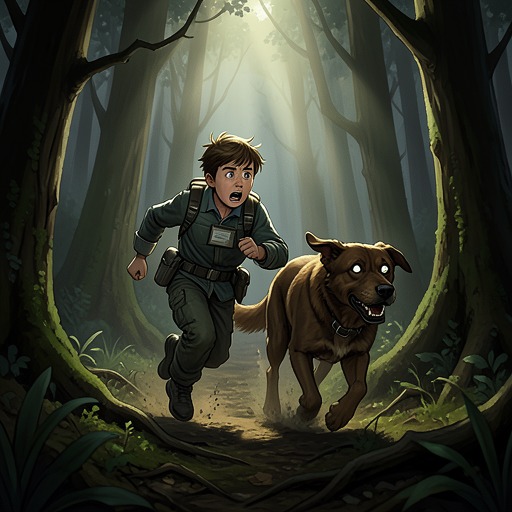
The danger begins during a chase. Alidoro runs so close behind Pinocchio that the exhausted Marionette can hear his labored breathing and feel his hot breath. With the shore only a few steps away, Pinocchio leaps into the sea. Alidoro cannot stop in time and plunges in after him, but he cannot swim; his frantic efforts to stay afloat only make him sink farther. Pinocchio is initially glad to have escaped, and asks Alidoro to promise not to chase him again before agreeing to help.
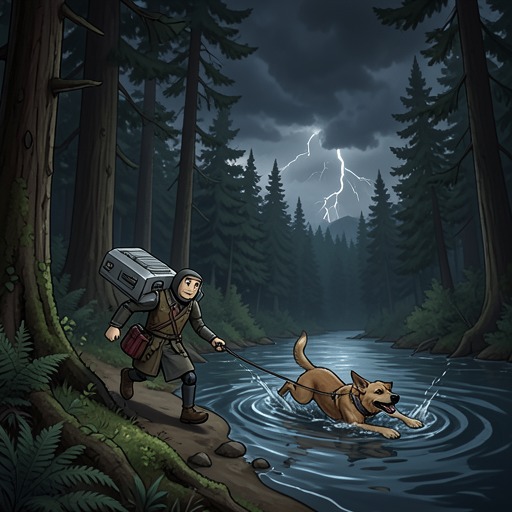
Pinocchio hesitates, then recalls his father’s advice that a kind deed is never lost. He swims back, catches Alidoro by the tail, and drags him ashore. The Dog is too weak to stand and has swallowed so much salt water that he is swollen, but Pinocchio does not linger: wary of trusting him, he dives back into the sea and continues close to shore. Alidoro thanks him and says that what is given is returned, and that he will be there if the opportunity comes. This exchange establishes the precise debt that will be repaid in the cave; the rescue is not an unexplained intervention but the consequence of Pinocchio’s earlier choice.
Capture at the Shore
Still swimming, Pinocchio spots smoke rising in a spiral from a cave and supposes that he might find a fire there to dry and warm himself. As he climbs among the rocks, something lifts him upward. He discovers that he has been caught in a huge net among fish of many kinds and sizes, all struggling to get free. The Green Fisherman emerges from the cave and hauls in the catch. His grass-like hair, green skin, green eyes, and long green beard make him look to Pinocchio like a sea monster.
The Fisherman empties the catch into a tub, with Pinocchio last out of the net. Seeing a creature that can speak and think, he offers Pinocchio a choice between being fried in a pan and cooked with tomato sauce. Pinocchio asks instead to be released, but the Fisherman refuses: a talking Marionette is, to him, a rare fish worth eating. The mock courtesy of the offered choice only sharpens Pinocchio’s helplessness. He is tied hand and foot with stout cord and thrown into the tub with the catch.
The Threat of the Frying Pan
The Fisherman prepares the fish one by one, rolling them in flour and dropping them into hot oil. The mullets go first, followed by the bass, whitefish, flounders, and anchovies. Pinocchio is kept until last. Watching the others go into the pan, he trembles so violently that he cannot call out. He can only plead with his eyes as the Fisherman rolls him in flour until he looks like a Marionette made of chalk. The sequence delays the threatened killing through the methodical preparation of the catch: Pinocchio is treated not as a person but as the final item in a meal.
At this point, a large Dog comes running into the cave, attracted by the smell of boiling oil. The Fisherman orders him out and draws back his foot to kick him. Hungry and unwilling to retreat, the Dog turns on the Fisherman and bares his fangs. Pinocchio cries out for Alidoro to save him before he is fried. Alidoro recognizes the voice and realizes that it comes from the flour-covered bundle in the Fisherman’s hand. Recognition connects the two encounters at the instant when Pinocchio is closest to death: the Dog does not mistake him for another fish or abandon him to the Fisherman.
Escape and Reciprocal Aid
Alidoro leaps, takes the bundle gently in his mouth, and runs out of the cave. The Fisherman pursues him, furious at losing his meal, but a fit of coughing forces him to stop and turn back. Alidoro reaches the road to the village before lowering Pinocchio softly to the ground. The contrast is stark: only moments earlier Pinocchio was tied, coated in flour, and held over the preparation of the meal; now he is free because Alidoro has carried him beyond the Fisherman’s reach.
When Pinocchio thanks him, Alidoro answers that thanks are unnecessary: Pinocchio once saved him, and they are in the world to help one another. He explains that he had been lying on the sand nearly dead when the appetizing smell of fried fish drew him toward the cave. The same smell that brought Alidoro to the threat also gave him the chance to repay Pinocchio. His arrival is therefore both accidental in its immediate cause and morally prepared by the earlier rescue.
Consequences and Significance
The episode turns on an exchange of vulnerability and aid. Pinocchio first chooses to save a pursuer who had nearly caught him, even after securing a promise that the chase would stop. Later, when Pinocchio is bound and unable to save himself, Alidoro risks confronting the Fisherman and carries him out. The return is not presented as a calculated bargain: Pinocchio acted from compassion, and Alidoro later acts from gratitude and a belief in mutual assistance.
The scene also contrasts the Fisherman’s treatment of living creatures with the reciprocal care between Pinocchio and Alidoro. The Fisherman can acknowledge Pinocchio’s ability to speak and think yet still classify him as food, reducing apparent respect to a choice of cooking method. Alidoro, by contrast, identifies Pinocchio through his voice and responds to his distress with action. The rescue makes the earlier advice about kindness concrete: a good deed, once given, can return at a moment when its giver has no other means of escape.